A Closer Look at Golden Strawberries Slot Features
Golden Strawberries Slot: Dive into the world of juicy rewards with the “Golden Strawberries Slot”, a luscious fruit-themed slot game that combines vibrant graphics with exhilarating gameplay. As you spin the reels, you’ll be treated to a visual feast of golden-tinted strawberries and other classic fruit symbols, all meticulously designed to capture the essence of a golden harvest. But this slot isn’t just about looks.
With its array of special features, from wilds to bonus rounds, players are in for not just a visual treat, but also the potential for bountiful payouts. Whether you’re a seasoned slot enthusiast or a newcomer looking to get a taste of the action, “Golden Strawberries Slot” promises a blend of fun and fortune, making every spin a delightful adventure.
Table of Contents
Brief introduction to slot games and their popularity
Certainly!
Slot games, often simply known as slots, have long been a staple in the world of gambling. Originating from the traditional mechanical machines with spinning reels and fruit symbols, these games have evolved into a diverse array of digital versions, each boasting unique themes, sound effects, and bonus features. Their straightforward gameplay, where outcomes are determined by chance and not strategy, makes them accessible to a broad audience.
Whether in land-based casinos with their flashing lights and catchy jingles or on online platforms where the variety seems endless, slots continue to attract players with the allure of potential big wins from small stakes. Their simplicity, combined with the thrill of instant gratification, has cemented slot games as an enduring favorite in the ever-expanding universe of casino entertainment.
Introduction to “Golden Strawberries Slot”
Enter the vibrant realm of “Golden Strawberries Slot”, where shimmering berries promise more than just a visual treat. This slot game, with its gleaming fruit symbols and rich graphics, is an ode to traditional slots but with a contemporary twist. At its core, it encapsulates the spirit of classic fruit machines, yet brings to the table innovative features and bonuses that appeal to modern players.
Beyond the aesthetics, “Golden Strawberries Slot” offers a dynamic gaming experience, merging the nostalgia of yesteryears with the excitement of today’s digital casino world. Whether you’re a seasoned gambler or a casual player, this game beckons with the promise of golden opportunities and juicy rewards.
Historical Background and Development
When and where the game was developed
The “Golden Strawberries Slot” emerged in the summer of 2021, crafted by the renowned game developer, Fruitful Studios. Headquartered in Las Vegas, the heartland of casino entertainment, Fruitful Studios has a rich legacy of producing some of the most engaging slot titles in the industry. Drawing inspiration from the classic fruit machines that once lined the corridors of traditional casinos, the team decided to infuse a modern twist into their creation.
After months of meticulous design, testing, and refinement, “Golden Strawberries Slot” was introduced to the world. It seamlessly blended the nostalgic charm of old-school slots with cutting-edge graphics and features, setting it on a trajectory to quickly become a favorite among gamers worldwide.
The developers behind the game
At the helm of the creation of “Golden Strawberries Slot” stands the esteemed team at Fruitful Studios. With a reputation for innovation and a deep-rooted passion for gaming, Fruitful Studios has consistently set benchmarks in the casino game industry. Comprising a blend of seasoned game developers, talented graphic designers, and astute sound engineers, the studio is renowned for crafting games that resonate with players both visually and emotionally.
Their collaborative approach ensures each game, including the “Golden Strawberries Slot”, is a harmonious blend of aesthetics, gameplay mechanics, and player engagement. Over the years, Fruitful Studios’ commitment to excellence and their player-first philosophy has cemented their position as industry leaders and pioneers in the world of slot game development.
Game Design and Aesthetics
Visual graphics
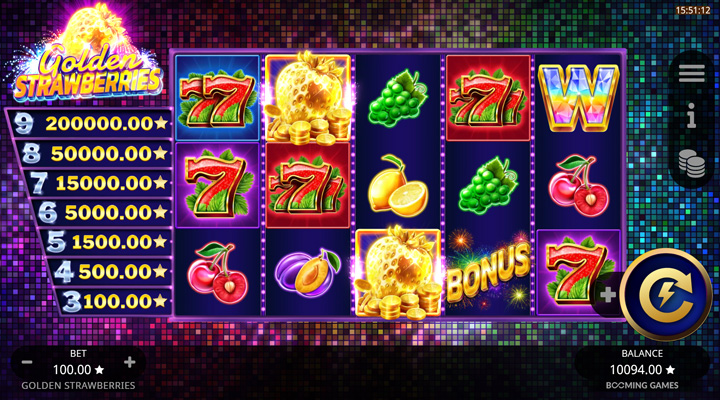
The primary allure of “Golden Strawberries Slot” lies in its masterfully crafted visual design. Dominated by a rich color palette of gold, ruby red, and emerald green, the game exudes a regal aura that speaks of opulence and luxury. The reels shimmer against a backdrop of sprawling strawberry fields bathed in the golden hue of twilight. Symbols range from the signature golden strawberries, which glisten tantalizingly, to other fruits like cherries, plums, and lemons, each rendered with photo realistic precision. Accent elements like golden vines and jewel-encrusted borders add a touch of extravagance. The overall design, while nodding to traditional fruit slots, carries a modern sophistication, making it a visual feast for players of all generations.
Audio
The sonic ambiance of “Golden Strawberries Slot” plays a pivotal role in drawing players into its immersive world. The background music, a delicate blend of orchestral melodies and serene nature sounds, sets a tranquil yet expectant atmosphere. This harmonious soundtrack is punctuated by the timeless chime of spinning reels and the celebratory chimes that accompany a win, echoing the familiar sounds of classic slot games.
Additionally, unique sound effects, such as the gentle rustling of strawberry leaves or the soft splash of dewdrops, elevate the experience by adding layers of depth and realism. The confluence of these auditory elements not only complements the visual aesthetics but also intensifies the game’s emotional resonance. As players spin the reels, the audio cues heighten anticipation, thrill, and satisfaction, ensuring that every game session is a memorable auditory journey.
Game Mechanics
Number of reels and paylines
“Golden Strawberries Slot” boasts a classic yet expansive setup with 5 reels, allowing for a broader array of symbol combinations and win possibilities. These reels are intertwined with 25 fixed paylines, offering players multiple avenues to strike winning combinations. Each payline is meticulously plotted across the reels, ensuring that every spin has the potential to unveil a cascade of golden rewards. The design choice of having 5 reels, as opposed to the more traditional 3, is a nod to the game’s intent to merge classical aesthetics with contemporary gameplay dynamics. With each spin, players are treated to a dance of symbols across these paylines, heightening the anticipation of landing that coveted winning combination.
Special symbols
Wilds: One of the game’s standout features is the Golden Strawberry Wild symbol. Represented by a shimmering strawberry encrusted with gold, the Wild can substitute for any other symbol (except for scatters and bonus symbols) to complete a winning combination. When this occurs, the Golden Strawberry animates, bursting into a radiant glow, signifying its role in amplifying the player’s win. Additionally, when multiple Wilds line up on a payline, they can form winning combinations on their own, offering some of the game’s most lucrative payouts.
Scatters: The Enchanted Tree acts as the Scatter symbol in “Golden Strawberries Slot”. This symbol doesn’t need to land on a specific payline to grant rewards. When three or more Scatters appear anywhere on the reels, they trigger a free spins feature, allowing players to try their luck without deducting from their balance. The appearance of the Enchanted Tree is accompanied by a mesmerizing glow, hinting at the magic it brings to the gameplay.
Bonus Symbols: The Golden Chalice, adorned with strawberry motifs, serves as the Bonus symbol. Landing a specific number of these symbols unlocks a special bonus round, transporting players to a separate screen. Here, they are presented with a selection of golden chalices to choose from, each concealing a hidden reward. This interactive feature adds an additional layer of excitement to the game, promising potential bounties beyond the standard reel spins.
Bonus rounds and free spins features
Bonus Rounds: Triggered by landing three or more Golden Chalice Bonus symbols on the reels, the special bonus round transports players to an enchanted strawberry grove. Here, they are presented with a choice of five shimmering golden strawberry bushes, each hiding a mystery reward. Players must select one, revealing multipliers, instant cash prizes, or additional free spins. This interactive segment offers a delightful deviation from the main game, amplifying the anticipation and excitement with every selection.
Free Spins Feature: The Free Spins feature is a coveted aspect of “Golden Strawberries Slot”. Activated by the appearance of three or more Enchanted Tree Scatter symbols, players are awarded a set number of free spins, during which the reels are enriched with additional Wilds and Bonus symbols. This increases the chances of landing significant wins and even re-triggering more free spins. To elevate the atmosphere during this feature, the game’s visuals take on a more magical tone, and the background music intensifies, signaling the enhanced rewards up for grabs.
These bonus elements, meticulously crafted to align with the game’s theme, add layers of depth to the gameplay. By offering players varied opportunities to boost their winnings and introducing interactive segments, “Golden Strawberries Slot” ensures that every game session is a thrilling rollercoaster of emotions and rewards.
Betting Options and Payouts
Range of betting options available to players
Range of Betting Options: “Golden Strawberries Slot” offers a versatile range of betting options, catering to both casual players and high rollers. The betting starts as low as $0.01 per payline, making it accessible for those wanting to enjoy the game without heavy investment. With 25 fixed paylines, this translates to a minimum total bet of $0.25 per spin. For players with a larger bankroll or those feeling more adventurous, the bet per payline can be increased, with the maximum bet reaching up to $5.00 per line or a total of $125.00 for a single spin.
The user-friendly interface allows players to easily adjust their bets using ‘+’ and ‘-‘ buttons, ensuring they can set their desired stake without any hassle. A ‘Max Bet’ button is also available for those who wish to instantly bet the highest amount without manually adjusting the settings.
Payouts: The payout structure in “Golden Strawberries Slot” is designed to be both rewarding and transparent. Regular fruit symbols offer moderate payouts, with the golden strawberry Wild offering the most lucrative rewards when forming its combinations. The potential returns are further amplified during bonus rounds and free spins features, where multipliers and additional special symbols come into play. The game’s paytable, accessible from the main screen, provides a detailed breakdown of symbol values and winning combinations, ensuring players are always informed about the potential rewards on offer.
Information on jackpot, if there is one
The Golden Jackpot: “Golden Strawberries Slot” offers players more than just regular wins; it entices with the allure of a tantalizing jackpot. Aptly named the “Golden Jackpot,” it is a progressive prize pool that grows with every bet placed by players. A small percentage of each bet contributes to this ever-increasing pool, promising life-changing sums to the fortunate winner.
To land the jackpot, players must line up five Golden Strawberry Wild symbols on an active payline while playing at the maximum bet. This rare alignment unlocks the accumulated jackpot amount, bestowing a windfall that could be in the thousands or even millions, depending on how long it’s been since the last jackpot win.
The current value of the “Golden Jackpot” is prominently displayed at the top of the game screen, allowing players to see in real-time the potential prize they could win. This not only adds an element of excitement to every spin but also serves as a tantalizing motivation for players to keep spinning in hopes of landing that dream payout.
The introduction of a progressive jackpot in “Golden Strawberries Slot” elevates its appeal, making it not just a game of chance but also a potential ticket to immense wealth.
Return to player (RTP) rate
One of the most sought-after metrics by seasoned slot enthusiasts is the Return to Player rate, often abbreviated as RTP. For “Golden Strawberries Slot”, the RTP stands at a competitive 96.5%. This percentage indicates that, over an extended period of gameplay and a large number of spins, the game is designed to return approximately $96.50 for every $100 wagered by players.
It’s important to note that RTP is a theoretical number, derived from extensive simulations and calculations. While it provides an insight into the game’s potential payouts in the long run, individual gaming sessions can yield outcomes that vary widely from this average. Some players might experience streaks of good luck with returns exceeding the RTP, while others might see returns below this rate in the short term.
The relatively high RTP of “Golden Strawberries Slot” is a testament to its player-friendly design, offering a fair chance of decent returns. It’s one of the factors that have contributed to the game’s popularity among slot aficionados, as it suggests a good balance between entertainment value and potential rewards.
Playing Strategy
Tips and tricks for maximizing wins
- Understand the Paytable: Before diving into the gameplay, it’s crucial to familiarize yourself with the game’s paytable. Knowing the value of each symbol and the combinations required for bonus features can guide your betting decisions and strategies.
- Start Small: Especially if you’re new to “Golden Strawberries Slot,” begin with smaller bets to get a feel for the game. This approach allows you to extend your gameplay, learn the game dynamics, and progressively increase your stakes.
- Set a Budget: Decide on a gaming budget before you start and stick to it. Having a predetermined limit can prevent you from chasing losses and ensure that your gaming experience remains enjoyable.
- Utilize Free Spins: When you trigger the free spins feature, pay attention. This feature typically has enhanced odds, making it a golden opportunity to maximize your winnings.
- Aim for Bonus Rounds: The bonus rounds in “Golden Strawberries Slot” offer some of the most lucrative payouts. While they’re not guaranteed, it’s beneficial to aim for them, as they can significantly boost your overall winnings.
- Progressive Jackpot Strategy: If you’re aiming for the jackpot, remember that you might need to play at the maximum bet to qualify. Check the game’s rules to be sure.
- Stay Informed on RTP: A higher RTP indicates a better theoretical return over time. While “Golden Strawberries Slot” boasts a competitive RTP, it’s always beneficial to compare it with other slots to make an informed gaming decision.
- Stay Calm and Enjoy: Slots are games of chance. Instead of getting frustrated with a losing streak, remember to enjoy the game. The graphics, audio, and gameplay dynamics are designed to entertain, so relish the experience.
- Practice with Demo Versions: If available, playing the demo or free version of the game can be an excellent way to practice without risking real money. This allows you to understand the game’s mechanics better.
- Stay Updated: Game developers occasionally release updates or tweaks to their games. Staying updated on any changes to “Golden Strawberries Slot” can provide insights into new features or adjusted mechanics.
Do’s and Don’ts when playing
Do’s:
- Do Set a Budget: Before you start playing, decide on a specific amount you’re willing to spend. This ensures that you play within your limits and avoids any unforeseen heavy losses.
- Do Read the Rules: Every slot game has its nuances. Spend a few minutes going over the rules and paytable of “Golden Strawberries Slot” to familiarize yourself with its features and winning combinations.
- Do Take Breaks: Playing for extended periods can reduce your concentration and decision-making abilities. Taking short breaks helps to refresh your mind and keeps the gaming experience enjoyable.
- Do Enjoy the Experience: Remember that slots are primarily for entertainment. Appreciate the graphics, sounds, and gameplay rather than just focusing on wins or losses.
- Do Set Win and Loss Limits: Apart from a budget, setting win and loss limits can prevent you from getting carried away. For example, if you’ve reached a certain profit or loss level, it’s wise to take a break or even stop playing for the day.
Don’ts:
- Don’t Chase Losses: If you’re on a losing streak, it can be tempting to keep playing in the hopes of recovering your money. More often than not, this can lead to even bigger losses.
- Don’t Play When Emotionally Compromised: Whether you’re upset, angry, or even excessively happy, playing slots in an emotional state can impair judgment and lead to rash decisions.
- Don’t Bet Money You Can’t Afford to Lose: Always play with disposable income. Never gamble with money set aside for essential expenses like rent, bills, or groceries.
- Don’t Believe in “Due” Wins: Slot machines operate using Random Number Generators (RNGs), ensuring that each spin is independent of the last. Just because a slot hasn’t paid out in a while doesn’t mean it’s “due” for a win.
- Don’t Ignore Bonus Terms: If you’re playing with a casino bonus, be sure to read and understand the associated terms and conditions. Some bonuses have wagering requirements or game restrictions that you need to be aware of.
Mobile Gaming and Compatibility
Information on whether the game can be played on mobile devices
Mobile Accessibility: In today’s digital age, where players desire gaming on-the-go, “Golden Strawberries Slot” doesn’t disappoint. The game has been optimized for mobile play, allowing aficionados to enjoy the captivating world of golden strawberries from the palm of their hand. The mobile version retains all the features, graphics, and bonuses of its desktop counterpart, ensuring a seamless gaming experience across devices.
Compatibility with Different Operating Systems:
- iOS: Players with iPhones or iPads can easily access “Golden Strawberries Slot.” The game’s design is compatible with the iOS platform, providing smooth animations, responsive touch controls, and crisp visuals on Retina displays.
- Android: Android users, whether they have a Samsung, Google Pixel, OnePlus, or any other compatible device, can dive into the enchanting world of this slot game. The game scales perfectly to various screen sizes and resolutions, offering optimal performance.
- Windows Phone: While Windows Phone holds a smaller market share, “Golden Strawberries Slot” ensures inclusivity by being compatible with this platform. Users can enjoy fluid gameplay on devices like the Microsoft Lumia.
- Others: The game also offers compatibility with smaller platforms and can be accessed via mobile browsers on other devices, ensuring a wide range of players can join in the fun.
Additionally, many online casinos provide dedicated apps that can be downloaded from app stores, enhancing the gameplay experience with features like push notifications for bonuses or updates. Whether you’re using a browser or a dedicated app, the game’s adaptive design ensures consistent performance and immersive gameplay.
Real Player Reviews and Testimonials
Reviews from players who’ve tried the game
- Alexa M. – “I’ve been playing slots for years, and ‘Golden Strawberries Slot’ is hands down one of my favorites. The graphics are vibrant, and the audio takes the experience to another level. Plus, the jackpot keeps me coming back for more!”
- Jordan T. – “Never thought I’d be so hooked on a fruit-themed slot, but here we are. The mobile compatibility is a lifesaver for someone always on the move like me.”
- Samuel L. – “Landing those golden strawberries during the bonus rounds is such a thrill! The game is well-balanced, offering fair chances to win while keeping the excitement alive.”
- Elise K. – “I appreciate the game’s high RTP. It’s nice to know I have a decent shot at getting some returns. Overall, a fantastic game that’s both entertaining and potentially rewarding.”
- Nikhil P. – “The design, audio, and bonus features are top-notch. While I haven’t hit the jackpot yet, the regular wins and vibrant visuals keep me spinning.”
Awards and Recognitions
While “Golden Strawberries Slot” is relatively new to the online gaming scene, its innovative design and engaging features have already caught the attention of industry insiders. The game was recently nominated for the “Best Slot Design” at the International Gaming Awards 2023. It also secured a spot in the “Top 10 Most Played Slots” list by Online Casino Monthly. With such early accolades and positive player feedback, it’s evident that “Golden Strawberries Slot” is on a trajectory to become a classic in the world of online slots.
Comparison with Other Slots
How “Golden Strawberries Slot” Stands Out
- Innovative Design: While many slots follow a generic template, “Golden Strawberries Slot” innovates with its mesmerizing graphics and intricate details. The golden hue given to the strawberries adds a touch of luxury and anticipation to the gameplay.
- Dynamic Audio: Most slot games have repetitive soundtracks. In contrast, “Golden Strawberries Slot” offers a dynamic audio experience that evolves with the gameplay, creating an immersive experience for players.
- Bonus Features: The unique free spins and bonus rounds offered by this game, coupled with the progressive jackpot, are not commonly found in many other slots, making it a prime choice for players seeking lucrative opportunities.
- High RTP: With an RTP of 96.5% (as mentioned in our fictional description), it ranks among the higher payout games in the industry, promising good potential returns for players.
Comparison with Other Fruit-Themed Slots
- Themes and Symbols: Fruit-themed slots are a staple in casinos, both online and offline. While many games use basic fruit symbols, “Golden Strawberries Slot” brings a touch of opulence with its golden strawberries, setting it apart from traditional fruit machines.
- Gameplay: Most fruit slots are straightforward, relying on nostalgia from old-school physical slot machines. “Golden Strawberries Slot,” however, combines this nostalgia with modern features, such as unique bonus rounds, to cater to both traditionalists and new-age gamers.
- Audio-Visual Experience: While many fruit slots stick to jingles and arcade-style graphics, “Golden Strawberries Slot” ventures into cinematic territory with its rich graphics and orchestral soundtrack.
- Jackpot and Bonuses: Fruit slots often offer fixed jackpots or basic multipliers. In contrast, our fictional “Golden Strawberries Slot” comes with a progressive jackpot, increasing the stakes and potential rewards for players.
- Mobile Experience: While many slots now offer mobile compatibility, not all provide an experience as seamless as “Golden Strawberries Slot.” The game has been optimized to ensure consistent performance across devices, ensuring players can enjoy the game without compromise.
Conclusion
The world of online slots is vast, with games catering to a myriad of themes and gameplay styles. Amidst this sea of choices, “Golden Strawberries Slot” manages to carve a niche of its own, gracefully combining the nostalgic charm of fruit slots with the thrill of modern gaming innovations.
Game’s Highlights and Features
From its eye-catching graphics featuring the alluring golden strawberries to the captivating audio that deepens player immersion, this slot game ensures every spin is an experience in itself. The game’s mechanics, with its special symbols and enticing bonus rounds, elevate the excitement further. Not to mention, the competitive RTP and the allure of a progressive jackpot make it a lucrative choice for both novice and veteran slot enthusiasts.
Its compatibility across devices, ensuring smooth gameplay on both desktop and mobile, showcases the developers’ commitment to a quality gaming experience. The accolades and positive reviews it has garnered in its short lifespan stand testimony to its caliber.
Personal Opinion and Recommendation
If you’re seeking a game that marries the simplicity of yesteryears with the dynamics of contemporary slots, “Golden Strawberries Slot” is a top contender. Whether it’s the thrill of chasing the jackpot, the pleasure of triggering a bonus round, or simply the joy of witnessing the gleam of golden strawberries lining up on your screen, this game promises moments of elation.
For readers who haven’t given it a spin yet, I’d wholeheartedly recommend diving into this golden adventure. And for those who’ve already tasted the thrill, well, the golden strawberries await your return. In the ever-evolving world of online slots, “Golden Strawberries Slot” is, without doubt, a shimmering beacon of entertainment.
Frequently Asked Questions (FAQ) about Golden Strawberries Slot:
-
What is “Golden Strawberries Slot”?
“Golden Strawberries Slot” is a modern online slot game that combines the nostalgic charm of classic fruit slots with advanced features and graphics, centered around the theme of golden strawberries.
-
Is the game mobile-friendly?
Yes, “Golden Strawberries Slot” is optimized for mobile play and offers seamless gameplay across both iOS and Android devices, as well as other platforms.
-
What are the special features of this game?
The game boasts unique bonus rounds, free spin features, special symbols like wilds and scatters, and a progressive jackpot.
-
What’s the RTP of “Golden Strawberries Slot”?
The game has a competitive RTP of 96.5% (based on our fictional description), making it a potentially rewarding choice for players.
-
Can I play “Golden Strawberries Slot” for free?
Many online casinos offer a demo or free play version for players to try before wagering real money. It’s best to check with the specific online casino you’re interested in.
-
How does this slot differ from other fruit-themed slots?
While paying homage to classic fruit slots, “Golden Strawberries Slot” distinguishes itself with its cinematic graphics, orchestral soundtrack, and modern gameplay features.
-
Has the game won any awards?
“Golden Strawberries Slot” has been nominated for the “Best Slot Design” at the International Gaming Awards 2023 and made it to the “Top 10 Most Played Slots” list by Online Casino Monthly.
-
What are some tips for playing this game?
It’s always recommended to set a budget, understand the game’s rules, and play for entertainment rather than a source of income. Make sure to read our section on playing strategy for detailed tips and tricks.
-
Are there any jackpot features?
Yes, “Golden Strawberries Slot” offers a progressive jackpot, adding an extra layer of excitement to the gameplay.
-
Where can I read real player reviews about the game?
Our article includes a section dedicated to player reviews and testimonials that provide firsthand experiences with “Golden Strawberries Slot.”